

Estimated reading time: 4 minutes
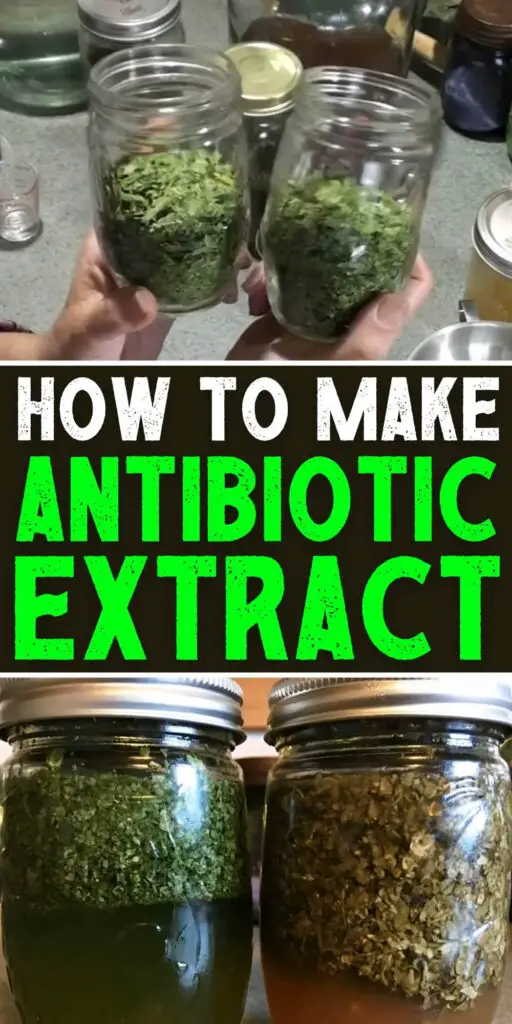
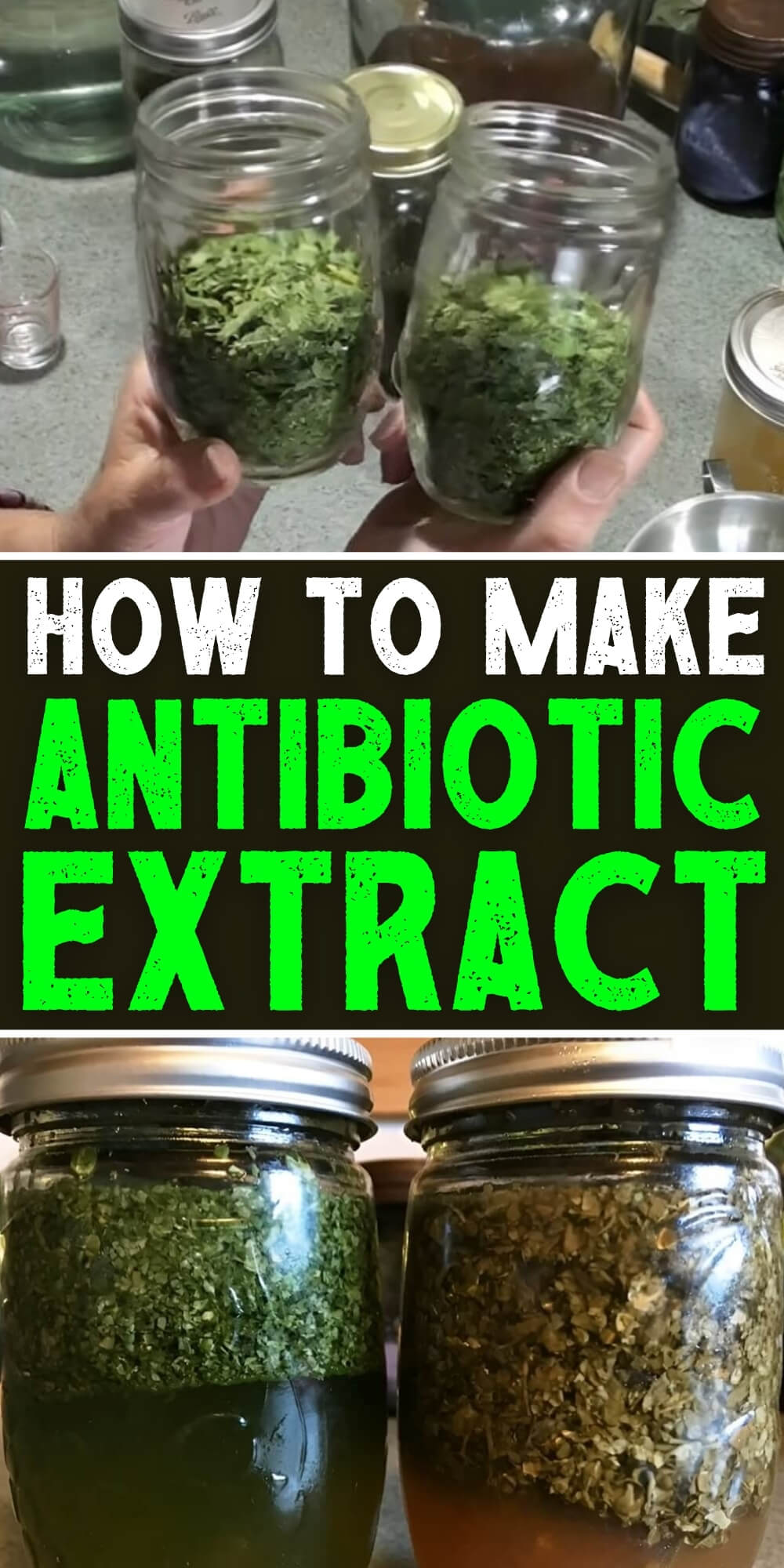
Having a natural, shelf-stable extract on hand means you don’t have to scramble when someone comes down with an infection or you just want extra immune support. These extracts are simple to make, use herbs with well-known antimicrobial properties, and can be adapted for adults, kids, or anyone avoiding alcohol.
I came across this tutorial on the YouTube channel Rain Country where Heidi shows exactly how she makes hers. You can find the video and written instructions below.
Want to save this post for later? Click Here to Pin It On Pinterest!
Disclaimer: None of this is medical advice. Herbs can interact with medications and some aren’t safe in pregnancy. When in doubt, talk to your doctor.
Ingredients & Options
Herbs (choose one or combine)
- Nasturtium leaf – This is her go-to herb
- Other options: oregano, thyme, echinacea, garlic, ginger
Solvents (liquid base)
- Alcohol tincture – 80-proof (40% ABV) or higher (vodka or homemade wine)
- Honey extract – 1 part water to 3 parts raw honey (for the alcohol-free option)
- Vinegar extract – Apple cider vinegar, for a tangy, alcohol-free version
- Half & half mix – 50% vodka, 50% glycerin
Method A: Alcohol Tincture (Strongest & Longest Shelf Life)
1. Fill jar with herb
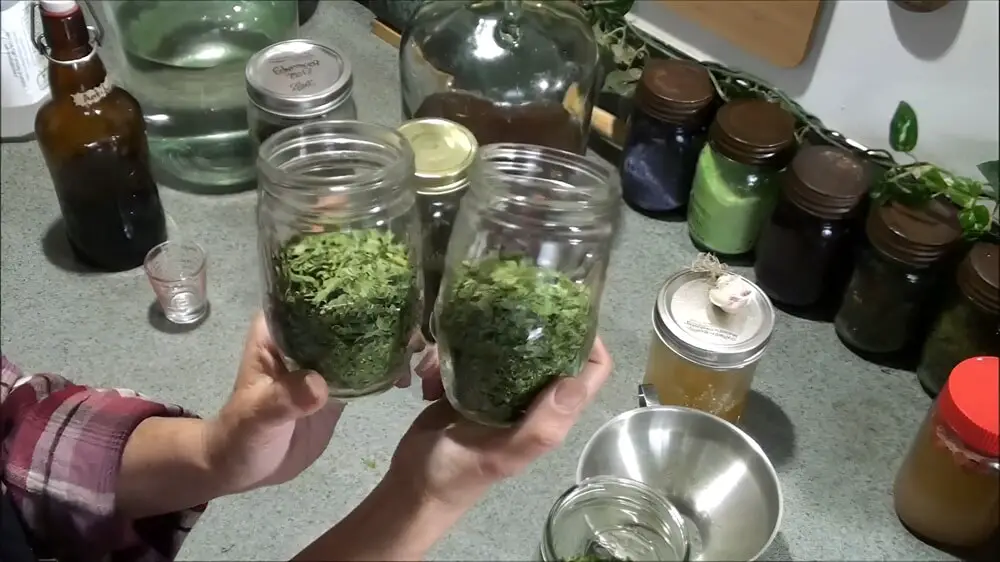
Chop your fresh or dried nasturtium leaves and fill a clean glass jar ½ to ¾ full.
2. Add alcohol
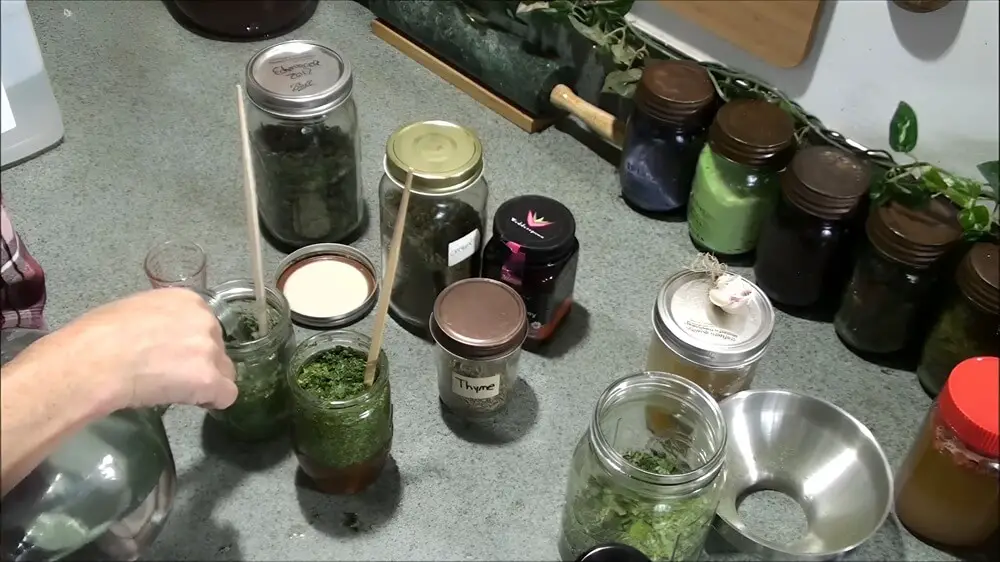
Pour 80-proof (or higher) vodka or wine over the herb until it’s fully covered. Use a chopstick to release trapped air bubbles, then top off so the herbs stay submerged.
3. Label & store
Mark the jar with the herb name, solvent, and date. Seal tightly.
4. Shake daily
Store in a cool, dark place and shake the jar once per day. Top off if needed.
5. Strain after 6–8 weeks
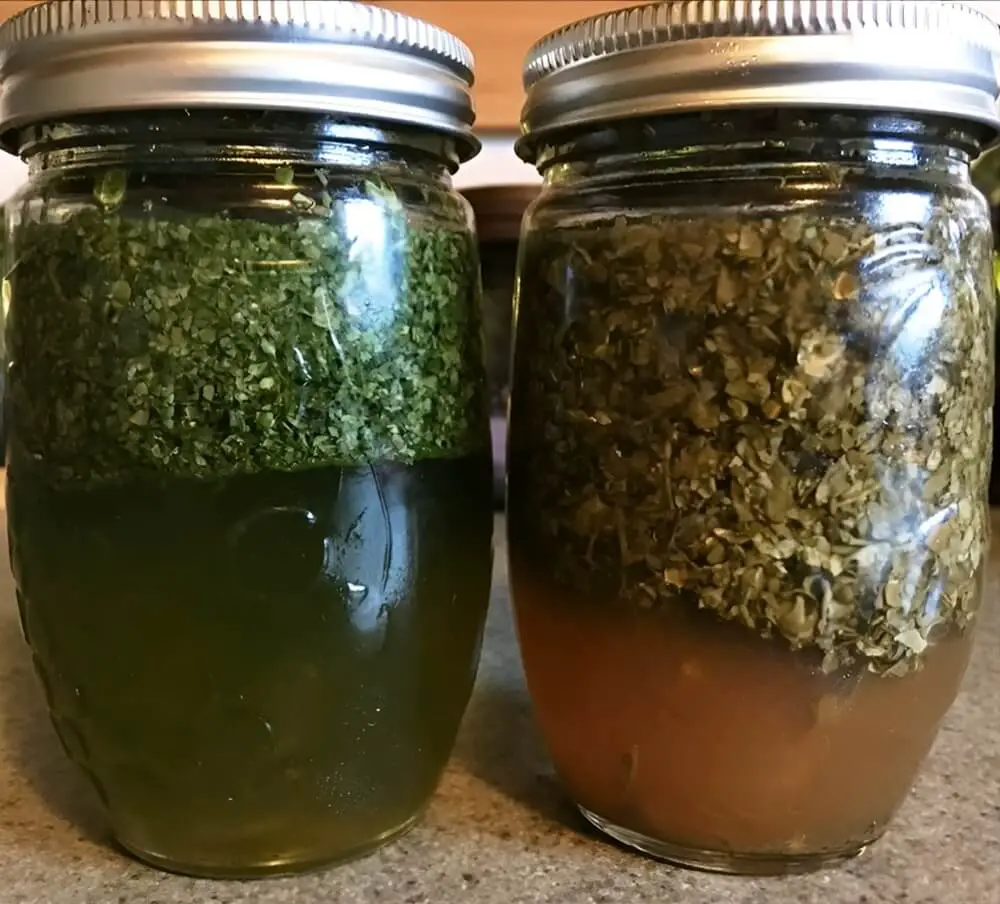
Pour through cheesecloth or fine mesh, squeezing out all liquid. Store in amber dropper bottles or glass jars in a cool, dark cabinet.
Dosage (adult): Start with about 1 teaspoon.
Method B: Honey Extract (Kid-Friendlier)
1. Make the solvent
Mix 1 part water to 3 parts raw honey. Stir well.
2. Fill jar with herb
Add nasturtium leaves until the jar is ½ to ¾ full.
3. Add honey solvent
Pour the honey-water mix over the herbs until covered. Stir with a chopstick to remove bubbles and top off if needed.
4. Label & store
Cap tightly, label, and keep in a cool, dark place. Shake daily.
5. Strain after 6–8 weeks
Strain and bottle just like the alcohol tincture.
Dosage (adult): About 2 tablespoons or more if needed.
Method C — Half Vodka, Half Glycerin Mix
This version combines alcohol (for strong extraction and preservation) with glycerin (for sweetness and reduced alcohol content).
- Fill jar with herb (½ to ¾ full).
- Add solvent – 50% vodka, 50% glycerin.
- Shake daily for 6–8 weeks.
- Strain & bottle as above.
Dosage (adult): At least 1 tablespoon.
Method D — Vinegar Extract
- Fill jar ½ to ¾ full with nasturtium leaves.
- Cover completely with apple cider vinegar.
- Shake daily for 6–8 weeks.
- Strain & bottle.
Dosage (adult): 2 tablespoons or more as needed.
Storage & Shelf Life
- Alcohol tincture: Indefinite shelf life when stored cool and dark.
- Honey or vinegar extract: About 1 year.
- Half & half mix: Long-lasting, thanks to alcohol content.
Tips & Safety Notes
- Check interactions – Some herbs aren’t safe in pregnancy or with medications.
- Label clearly – Herb, solvent, ratio, and date.
- Shake daily – Keeps extraction even.
- Topical option – Heidi also keeps manuka honey for external use on wounds. Regular raw honey also works.
This way, you can tailor your homemade antibiotic extract to your needs: alcohol for strength and shelf life, honey for kid-friendliness, vinegar for simplicity, or a vodka-glycerin mix for balance.
Like this post? Don't Forget to Pin It On Pinterest!
You May Also Like: