Estimated reading time: 5 minutes
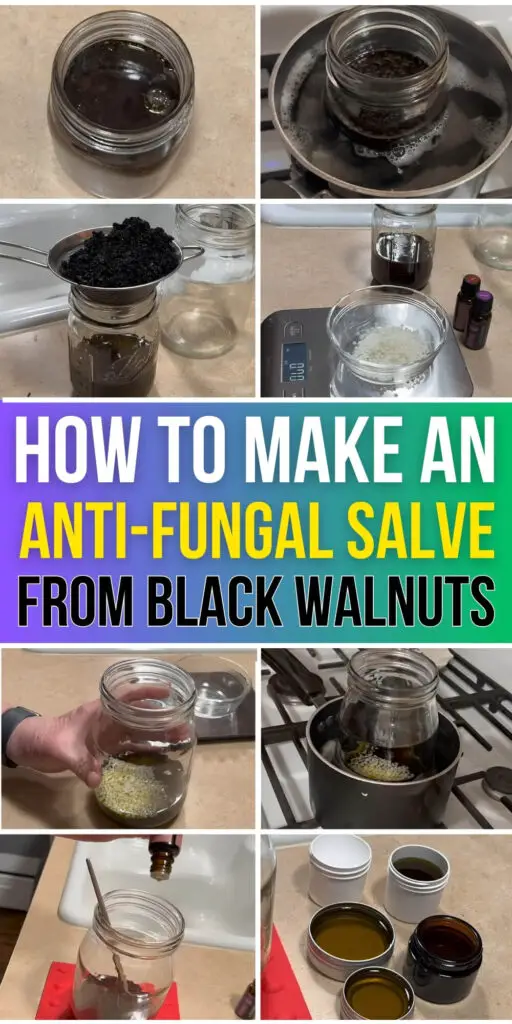
Black walnuts have been used in herbalism for centuries to treat fungal and microbial issues. The green hulls contain juglone, tannins, and other compounds that are known for their anti-fungal, anti-microbial, and astringent properties. Because of this, black walnut salves are often used for things like athlete’s foot, ringworm, nail fungus, and other skin issues.
A black walnut salve is simply black walnut–infused oil that has been thickened with beeswax and enhanced with essential oils. Salves are great to have when alcohol-based tinctures would be too harsh, like when your skin is already irritated and sensitive.
This particular method uses a heat-infusion process to speed things up, that way you can make a salve in just one day instead of waiting weeks. There are many variations, but I found this particular tutorial on the YouTube channel Open Hand Farm. You can watch it and read the instructions below.
Want to save this post for later? Click Here to Pin It On Pinterest!
Ingredients
- 3.5 oz (100 g) black walnut–infused oil (about ½ cup)
- 0.5 oz (14 g) beeswax pastilles (about 2 loosely filled tablespoons)
- 18 drops lavender essential oil
- 3 drops clove essential oil
- 3–5 drops vitamin E oil
Supplies
- Glass jar or heat-safe container
- Saucepan (for a double-boiler setup)
- Folded cloth or washcloth
- Fine strainer or cheesecloth
- Kitchen scale (recommended for accuracy)
- Salve tins or jars
- Spoon or stir stick
Instructions
Step 1: Make the Black Walnut–Infused Oil
- Place chopped or crushed black walnut hulls into a glass jar.
- Pour extra-virgin olive oil over the walnuts until they are completely submerged.
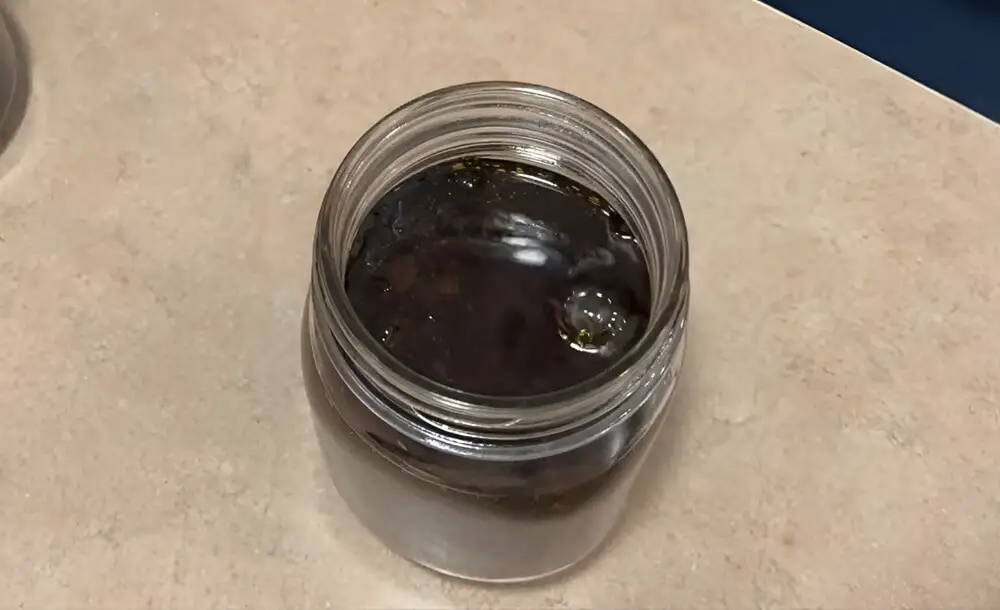
- Set the jar into a saucepan filled with several inches of water. Place a folded cloth under the jar so it does not sit directly on the bottom of the pan.
- Heat the water to a gentle simmer, not a rolling boil.
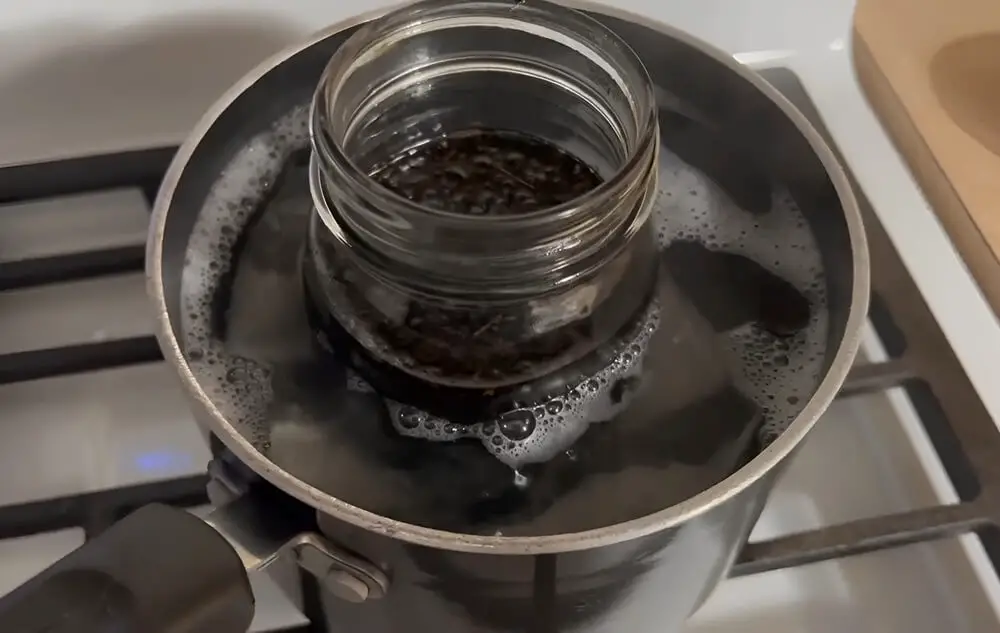
- Maintain this low simmer for about 2 hours, checking periodically to ensure the water level doesn't get too low.
- After simmering, remove from heat and allow the jar to cool. Let it sit overnight if possible.
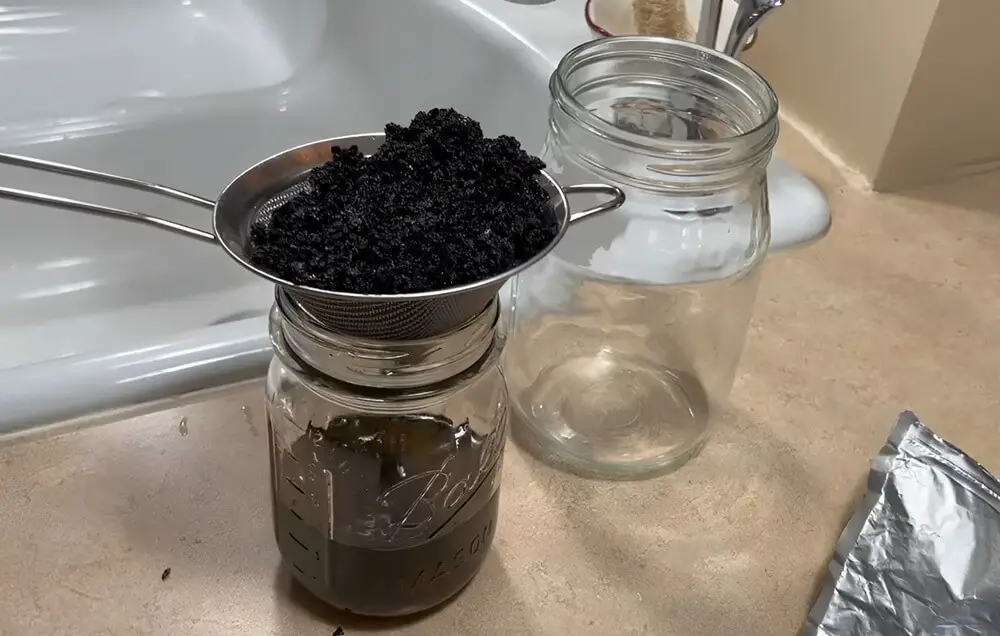
- Strain the oil into a clean jar, pressing out as much oil as you can from the walnut material.
Step 2: Melt the Oil and Beeswax
- Place a bowl or container on your kitchen scale and set it to ounces.
- Weigh out 0.5 oz beeswax for every ½ cup of infused oil.
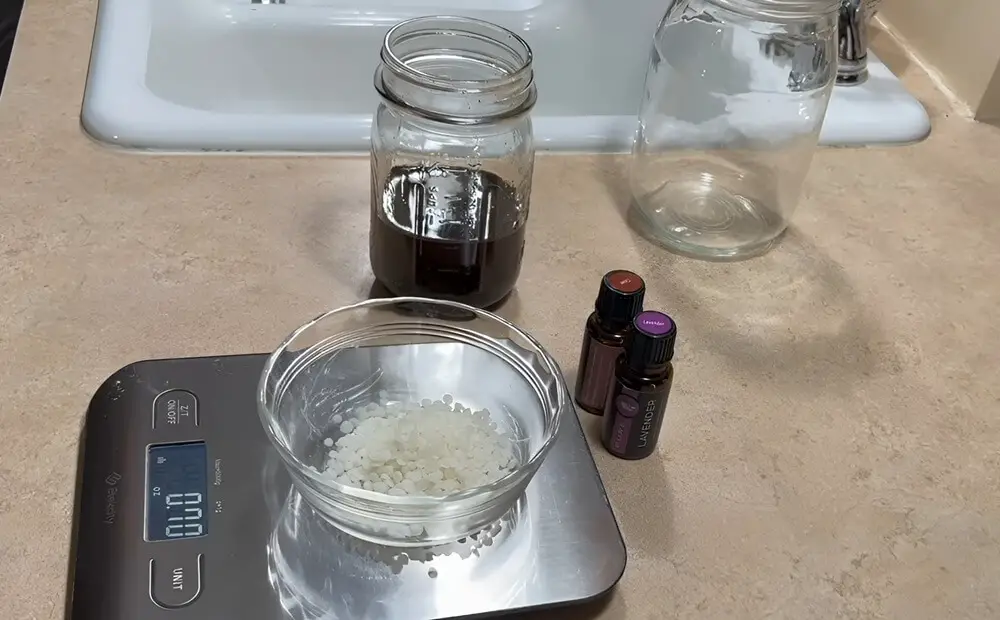
- Pour the infused oil into a heat-safe jar.
- Add the beeswax.
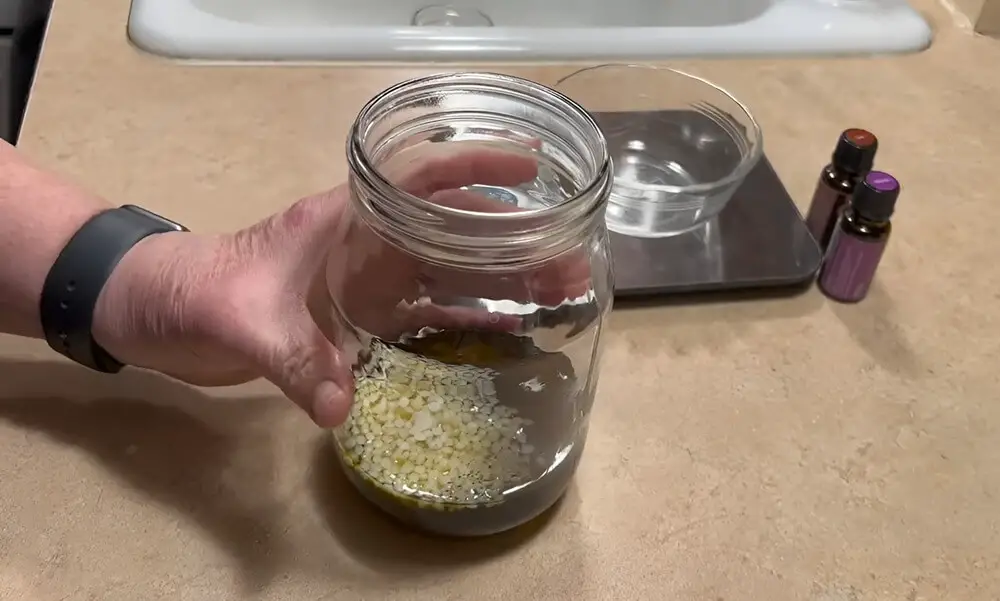
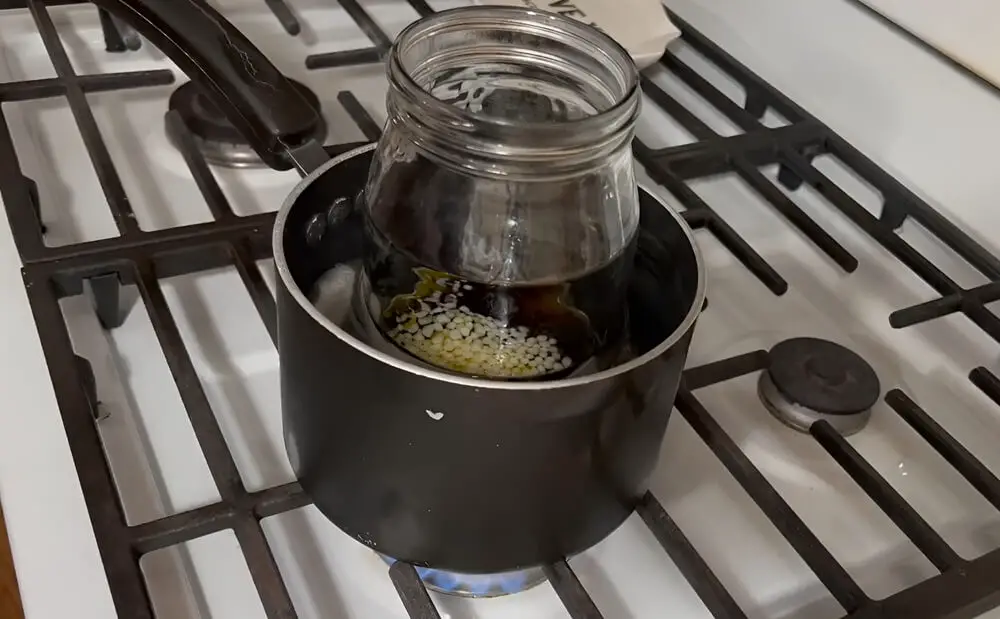
- Place the jar back into the saucepan using the same double-boiler setup.
- Heat gently on low until the beeswax is completely melted.
- Stir occasionally to help everything combine evenly.
Step 3: Add Essential Oils and Vitamin E
- Remove the jar from heat once the beeswax is fully melted.
- Stir in 18 drops lavender essential oil and 3 drops clove essential oil.
- Stir thoroughly to distribute the oils evenly.

Step 4: Pour and Set the Salve
- Carefully pour the hot salve into clean tins or jars.
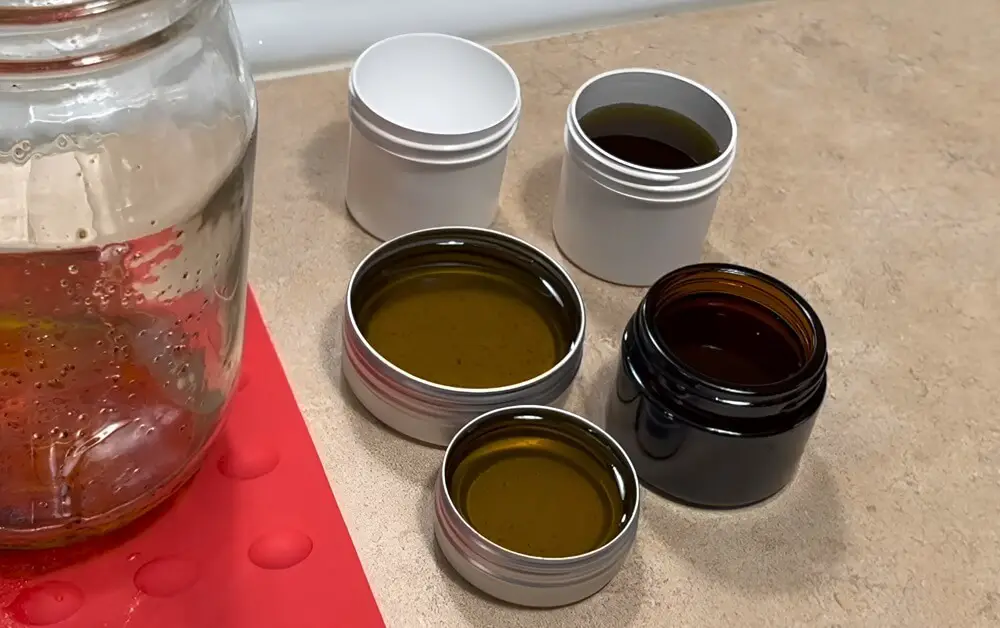
- Allow the salve to cool and harden completely.
- Once solid, cap the containers.
- Label with the contents and date.

Storage and Shelf Life
- Store in a cool, dry place, away from direct sunlight.
- Shelf life is approximately 1 year or longer, especially with vitamin E added.
Final Notes and Practical Use
In the video, the salve helped soothe irritated skin but it wasn't enough for a severe bacterial infection, which ultimately required medical treatment. This is an important reminder that herbal remedies can be supportive and effective, but for more serious infections, they aren't always a replacement for professional care.
That said, black walnut salve is a great addition to a home apothecary and may be useful for fungal skin issues, minor irritations, and general skin support.
Like this post? Don't Forget to Pin It On Pinterest!
You May Also Like: