


Estimated reading time: 8 minutes
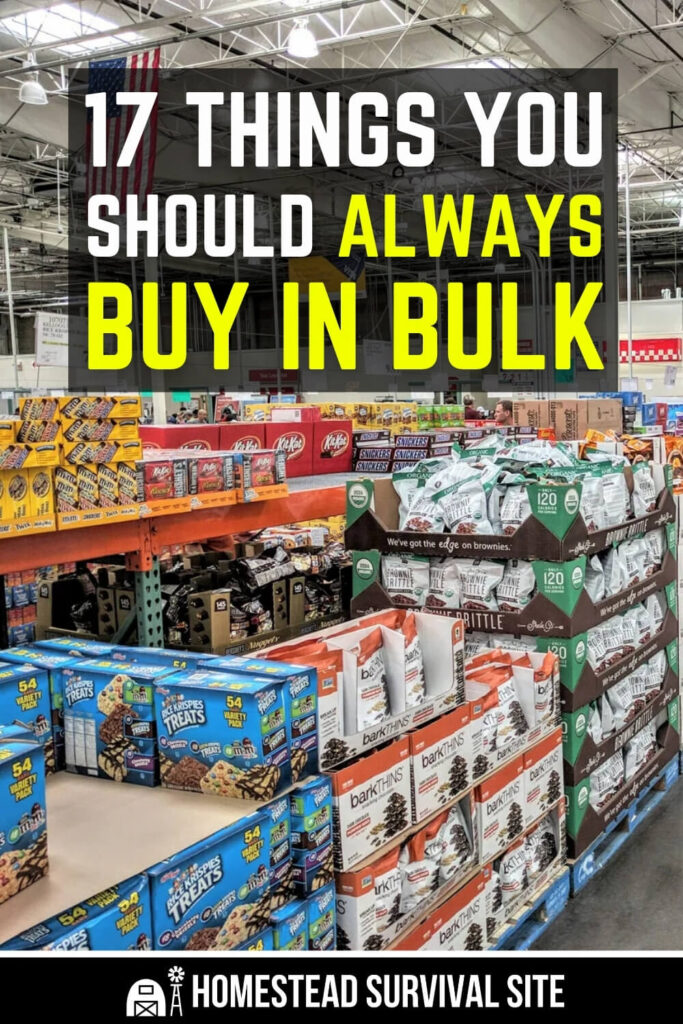
Prepping has a reputation for being expensive, and if you've spent any time browsing tactical gear websites or survival food catalogs, you know why. It's easy to blow your entire budget on gadgets and MREs while completely neglecting the basics that actually keep a household running in a long-term disaster.
Real preparedness isn't about buying one of everything. It's about being strategic, setting a budget, saving up, and buying the right items in bulk so your money goes further and your supplies actually last.
That's exactly the philosophy behind this list, which we found on the YouTube channel Zach Of All Trades. Zach has been prepping since 2012, and after years of trial and error (including some expensive mistakes), he's narrowed it down to 17 items that deliver the best combination of savings, shelf life, and everyday usefulness.
You can watch his video and read the list below.
Want to save this post for later? Click Here to Pin It On Pinterest!
1. Heavy-Duty Contractor Trash Bags
Thick, 55-gallon contractor bags are one of the most overlooked prepping items out there. Beyond basic trash duty, they can double as emergency ponchos, temporary window patches, water collection tools, sleeping bag liners, and vapor barriers in cold weather.
A box of 100 runs about $30, and because they're so compact, you can stack a dozen boxes in a closet and still barely notice them.
2. Batteries (By the Case, Not the Pack)
Grabbing a four-pack of AAs at the checkout counter is one of the worst ways to buy batteries. Bought by the case instead, you'll pay a fraction of the per-unit price. Batteries stored in a cool, dry place can last 5 to 10 years, so stock up on AA, AAA, 9V, and coin cell sizes.
It's also worth investing in some lithium batteries alongside standard alkaline ones. They cost more upfront but last roughly three times longer and hold up better in extreme temperatures.
3. Plain Washcloths
Skip the fancy department store washcloths and buy the basic white ones in bulk packs. Unlike paper towels, which are single-use and take up huge amounts of storage space, washcloths are reusable indefinitely.
They can be used for cleaning, first aid, hygiene, makeshift water filtration, or even as fire starters once they're worn out and oily. A stash of a couple hundred takes up less room than a month's worth of paper towels.
4 & 5. Pasta and White Rice
These two staples go hand in hand, and how you store them matters just as much as how much you buy. Transferring rice and pasta into airtight containers, adding bay leaves to deter pests, and using Mylar bags with oxygen absorbers can be the difference between food that lasts a couple of years and food that lasts decades.
Rice bought in bulk 50-pound bags is dramatically cheaper per pound than smaller packaging, and when stored properly, it can last up to 30 years. For pasta, stick to basic shapes like spaghetti and penne, buy heavily during sales cycles, and consider whole wheat varieties, which tend to store better thanks to their natural oils.
6. Dried Beans
Dried beans are one of the best value-per-calorie preps available. A large bag of pinto beans costs a fraction of what you'd pay for the equivalent in canned beans, and a single pound of dried beans equals roughly six cans' worth of food, meaning far less storage space is needed.
Stock a variety, black beans, navy beans, kidney beans, chickpeas, and lentils, and store them properly in Mylar bags or food-grade buckets for a shelf life that can stretch 25 to 30 years.
7. Whole Coffee Beans
Coffee might not seem like a survival essential, but it could become one of the most valuable barter items in a long-term crisis. It's habitual, comforting, and one of the first luxury goods to vanish when supply chains break down.
Buying whole beans instead of ground coffee extends shelf life significantly, especially when vacuum-sealed. Pair your stockpile with a manual, hand-crank coffee grinder so you're not dependent on electricity to enjoy a cup.
8. Wheat Berries
Wheat berries are whole wheat kernels before they've been milled into flour, and they last dramatically longer than flour does. While flour can go rancid within six months to a year, properly stored wheat berries can last 30 years or more.
A 50-pound bag can be ground into a substantial amount of fresh flour as needed, and wheat berries themselves can be cooked whole like rice, sprouted for fresh greens, or even popped like popcorn for a snack. A grain mill, ideally both a manual and an electric one, makes this option far more versatile.
9. Meat Bought in Bulk
For bigger savings, consider buying a quarter, half, or whole cow directly from a rancher rather than relying solely on grocery store packs. Buying in this way can bring the price per pound of high-quality, grass-fed beef down dramatically compared to retail prices.
This approach does require investment in proper storage, ideally a dedicated deep freezer, and vacuum sealing your own cuts extends freezer life to two or three years without freezer burn.
10. Cleaning Supplies
Bleach, dish soap, laundry detergent, and all-purpose cleaners carry a steep markup when bought in small containers. Buying gallon-sized containers, or concentrated versions you dilute yourself, cuts the cost per ounce significantly.
For laundry, commercial-grade powder detergent (the kind used by hotels and laundromats) is far cheaper than name-brand liquid detergent and stores indefinitely without the risk of separating.
11. Toilet Paper
If 2020 taught the world anything, it's that toilet paper disappears fast in a crisis. Buying commercial-grade bulk rolls rather than premium name brands stretches your budget considerably, and keeping a several-month supply on hand means you're never caught scrambling, or paying inflated prices, when shelves go bare.
12. Number 10 Canned Goods
Skip the regular-sized cans from the grocery store aisle and look into restaurant-sized No. 10 cans instead. These giant cans hold significantly more food per dollar spent compared to standard retail cans, and consolidating your pantry into fewer, larger containers cuts down on storage clutter.
Restaurant supply stores and bulk retailers are good sources, stock up on vegetables, fruits, sauces, and proteins like canned chicken and tuna.
13. Whole Rolled or Steel-Cut Oats
Skip the instant packets and buy whole rolled or steel-cut oats in bulk instead. Oats are inexpensive per pound, incredibly versatile (breakfast, flour, a meat extender, homemade granola, even skin care for irritations like poison ivy), and when stored in airtight containers, they can last up to 30 years while delivering solid protein and fiber.
14. Vitamins and Supplements
This is the item most preppers overlook entirely. Long-term food storage solves the calorie problem, but nutritional deficiencies can cause serious health issues if your diet lacks variety.
Stocking vitamin C, vitamin D, a multivitamin, and zinc, bought in bulk from warehouse stores, is cheap insurance against these risks. Stored in a cool, dark place, most supplements maintain their potency for a couple of years past their printed expiration date.
15. Cooking Oil
Not all oils store equally well. Coconut oil is considered the gold standard for preppers: it can last up to five years without going rancid, stays solid at room temperature (making storage easier), and has natural antimicrobial properties.
Olive oil is also a solid choice, but only in dark containers stored in a cool, dark space. Vegetable and canola oils, on the other hand, go rancid quickly and generally aren't worth the storage space for long-term prepping.
16. Salt
Plain table salt and canning salt bought in bulk are remarkably cheap, and unlike most food items, salt simply doesn't go bad. It's essential for food preservation, electrolyte balance, wound care, and countless other uses. Historically, salt has held enough value to be traded ounce-for-ounce with gold, which is where the word “salary” actually comes from.
17. Vinegar
White vinegar, apple cider vinegar, and cleaning vinegar are all inexpensive by the gallon and remarkably versatile: they preserve food, clean everything from windows to minor wounds, deodorize, and even kill weeds.
Apple cider vinegar with “the mother” is also popular for digestive and blood sugar support. Buying by the gallon instead of small bottles brings the cost down dramatically.
The Bottom Line
Buying in bulk strategically is essentially a way of converting cash into tangible, appreciating assets at a time when food prices continue to climb. The goal isn't to prepare for a single catastrophic event, it's to build resilience against the far more common disruptions: job loss, medical bills, local disasters, or temporary shortages. When you already have months of supplies bought at reasonable prices, those situations become inconveniences instead of emergencies.
The path to real preparedness isn't paved with expensive tactical gear. It's built on boring basics, rice, beans, salt, and soap, bought in bulk, stored properly, and rotated consistently. Pick two or three items from this list, look into your local pricing, figure out your storage solution, and make your first purchase this week. Small, consistent steps add up to real security over time.
Like this post? Don't Forget to Pin It On Pinterest!
You May Also Like:







Toilet paper . . . Buy or make some personal cloths and a spray bottle or a handheld Bidet. Use the sprayer, or Bidet, full of water to clean your bottom, then dry with the personal cloth. Store in a lidded bucket with water and a little bleach. Wash separately.
Vinegar. . . If you have Apple trees or buy apples, save the peels and core. Fill a jar with them, add water. Place in a cool dark place for a couple of weeks. After there is a vinegar smell, drain the liquid and store the liquid. Apple vinegar!