

Estimated reading time: 6 minutes

Vinegar pie sounds like a joke until you actually taste it. Despite the name, this old-fashioned custard pie doesn't taste sour or sharp at all. Instead, the vinegar reacts with sugar, eggs, and butter to create a rich, tangy-sweet filling that many people say tastes remarkably like apple pie, even though it contains no fruit whatsoever.
This dessert has roots stretching back to the 1800s, but it became especially popular during the Great Depression, when families had to get creative in the kitchen with whatever was on hand. Fresh fruit was often expensive or simply unavailable, but pantry staples like vinegar, sugar, eggs, and butter were cheap and easy to keep on the shelf.
Vinegar pie let home cooks recreate the flavor and texture of a fruit pie without needing any actual fruit. It was filling, inexpensive, and used ingredients nearly every household already had, which made it a go-to dessert when money and groceries were tight.
Two versions of this recipe have stood the test of time: one made with apple cider vinegar and one made with white vinegar. The apple cider version tends to produce a milder, more apple-like flavor, while the white vinegar version is known for a sharper, slightly more bitter tang.
This particular recipe comes from a video collaboration between the YouTube channels Dollar Meal Magic and Freakin' 2. In the video, Jacey from Dollar Meal Magic makes an apple cider vinegar pie from scratch and invites James White of Freakin' 2 to try it for the first time. You can watch the video blow.
Want to save this post for later? Click Here to Pin It On Pinterest!
Ingredients
- 4 large eggs
- 2 tablespoons apple cider vinegar
- 1 teaspoon vanilla extract
- Pinch of salt
- 1/2 teaspoon ground cinnamon
- 1 1/2 cups granulated sugar
- 1 stick (1/2 cup) melted butter
- 1 unbaked 9-inch pie crust (store-bought or homemade)
Instructions
1. Preheat the oven. Set your oven to 425°F.
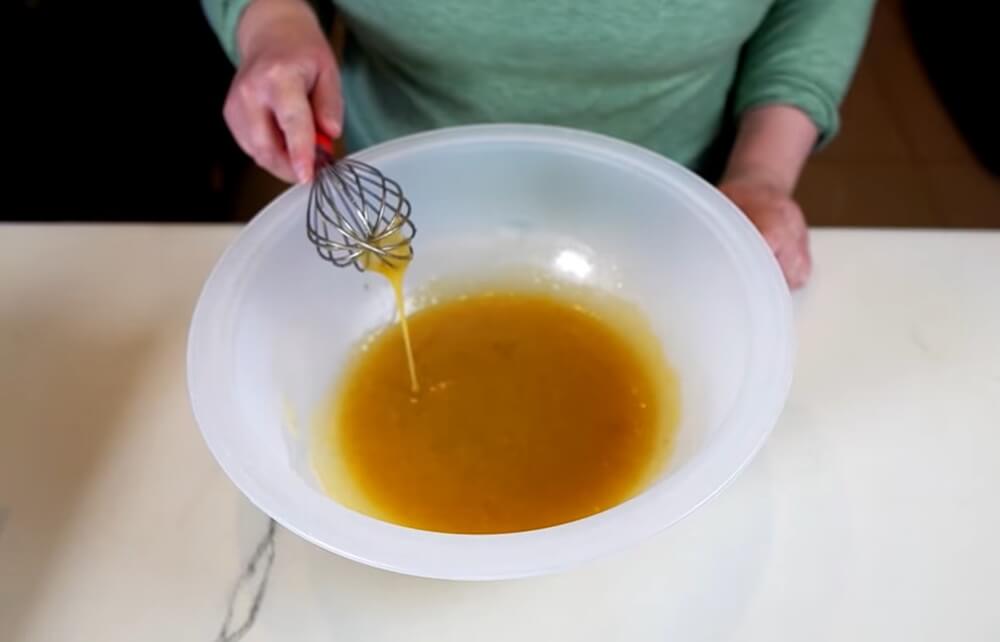
2. Mix the filling. In a large mixing bowl, whisk together the eggs, apple cider vinegar, vanilla extract, salt, cinnamon, sugar, and melted butter. Whisk until the mixture is completely smooth and well combined. The finished batter has a brownish tint rather than the bright yellow you might expect, likely from the combination of cinnamon and apple cider vinegar.
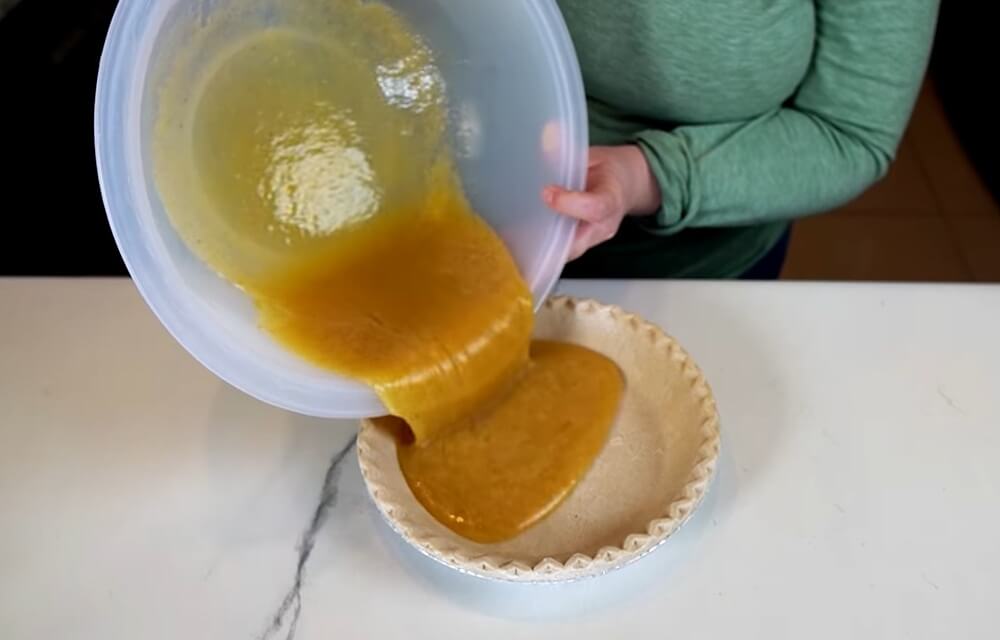
3. Fill the crust. Pour the mixture into your unbaked 9-inch pie crust. If using a store-bought frozen crust, let it sit out for 10 to 15 minutes before filling, according to package instructions.
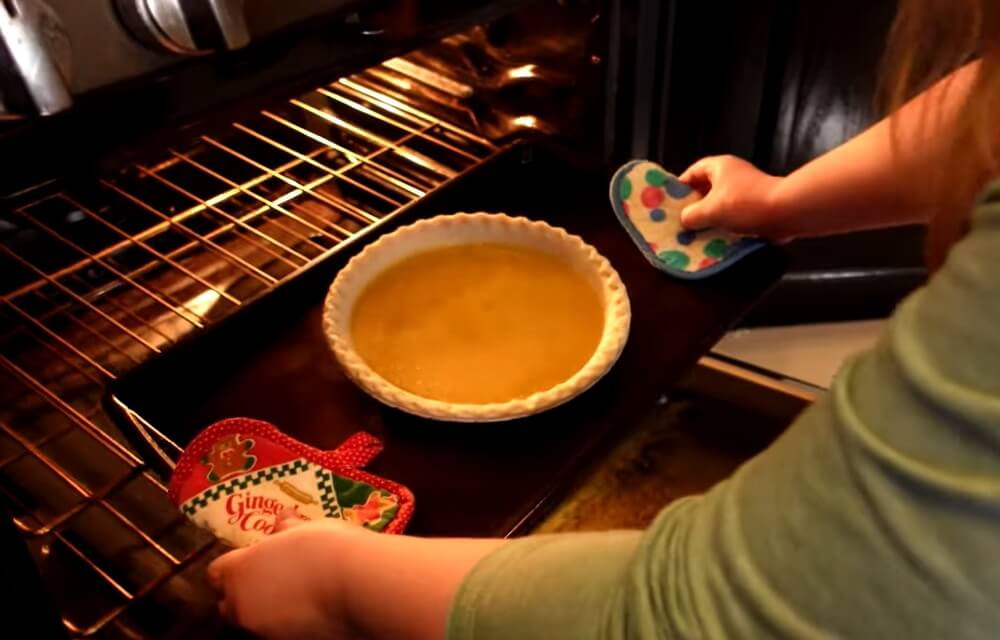
4. Bake in two stages. Place the pie in the oven at 425°F for 10 minutes. Then, without opening the oven for too long, reduce the temperature to 350°F and continue baking for another 20 minutes, or until the center is just set. Baking the full time at 425°F, as some older recipe cards suggest, causes the crust to overcook before the filling sets properly.
5. Watch the crust. If the edges of the crust start browning too quickly, cover them with a pie shield or a simple ring of aluminum foil to keep them from burning while the center finishes baking.
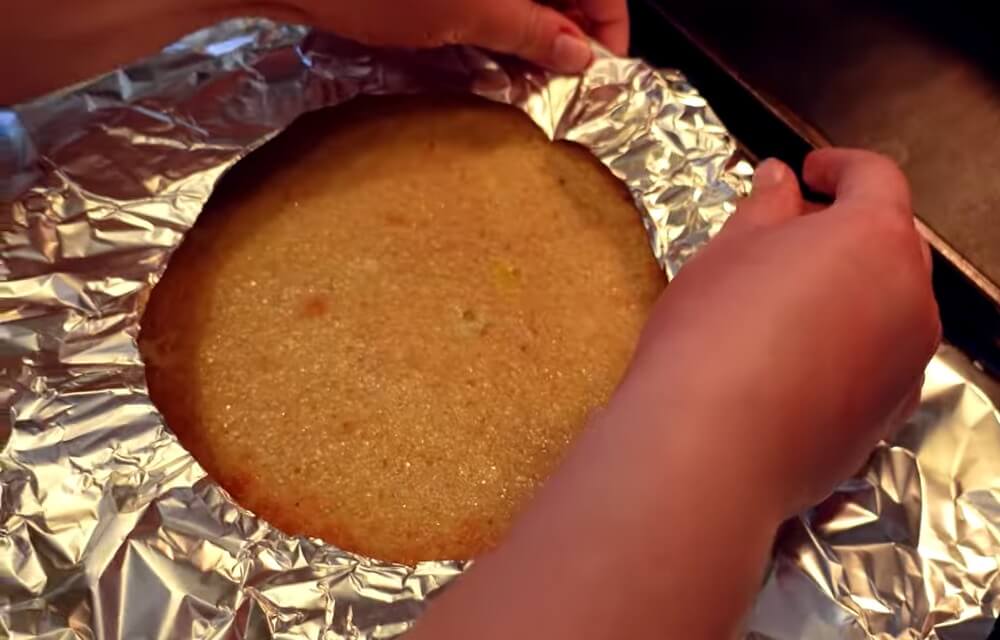
6. Cool completely. Once out of the oven, let the pie cool at room temperature for about 2 hours. The filling continues to set during this time. After it has cooled, transfer it to the refrigerator and chill for at least 1 hour before slicing. Serving it cold, around 40 to 65°F, helps the custard hold its shape so the filling doesn't run when you cut into it.
What Does Vinegar Pie Actually Taste Like?
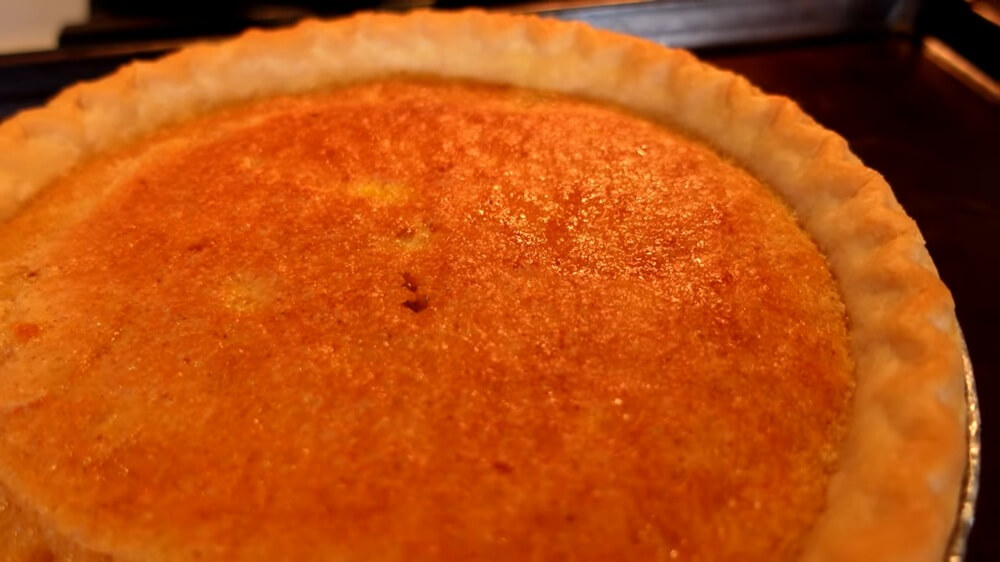
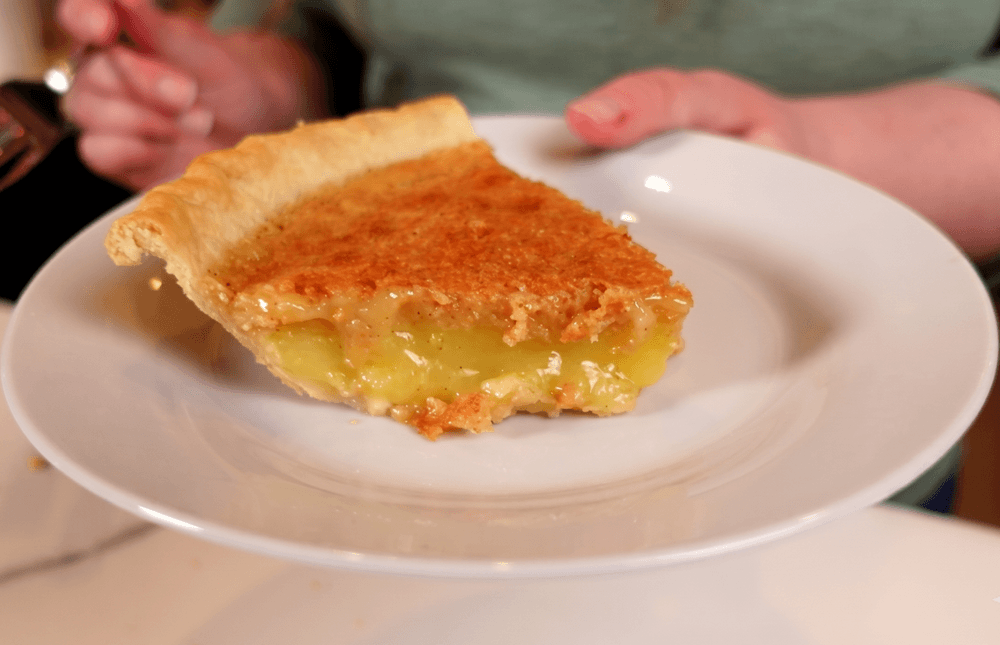
The finished pie has a smooth, custard-like texture and a look that's often compared to lemon meringue pie, thanks to its pale, golden color. But the flavor is a different story entirely. Despite the name and appearance, tasters describe it as tasting almost exactly like apple pie filling, tart, sweet, and slightly tangy, without a trace of actual vinegar flavor.
James from Freakin' 2, who had wanted to try vinegar pie for years after first hearing about it in an old 1940s film, put it simply: it tastes like apple pie filling with the chunks of apple removed. Both he and Jacey agreed that using apple cider vinegar rather than white vinegar likely accounts for that distinct apple-like flavor, and that a white vinegar version would probably come out sharper and more bitter by comparison.
Notes
- For a tangier, more old-fashioned version, substitute white vinegar for the apple cider vinegar.
- Don't skip the cooling and chilling step. The pie needs that time to fully set, and serving it too warm can cause the filling to run.
Like this post? Don't Forget to Pin It On Pinterest!
You May Also Like:

Related Posts:
 How to Make Economy Meat Pie (Great Depression Recipe)
 How to Make Hoover Stew (Great Depression Recipe)
 How to Make Hamburger Casserole (Depression-Era Recipe)
 Top 10 Great Depression Recipes
 How People Got The Most Out Of Their Food During The Great Depression
 How To Make A “Great Depression Pantry”