Estimated reading time: 5 minutes

If you're new to from-scratch cooking or bread-making in particular, peasant bread is a great place to start. It’s long been a cheap family staple and is an easy recipe to add to or alter to suit your tastes. Plus, it’s no-knead!
While there isn’t a strict definition for peasant bread, traditionally the basis was simply flour, water, yeast, and salt. The flour would’ve been whole wheat or rye depending upon the region. Many people would’ve made additions to this recipe such as seeds, nuts, seasonings, or dried fruit depending on their local and seasonal availability.
Want to save this post for later? Click Here to Pin It On Pinterest!
This is a basic recipe, so feel free to add spices or other ingredients.
Ingredients:
- 1 good sized dutch oven
- 3 cups warm water
- 2 TBS sugar
- 1 TBS active dry yeast
- 1 1/2 tsp salt
- 3 cups wheat flour
- 2 1/2 cups all-purpose flour
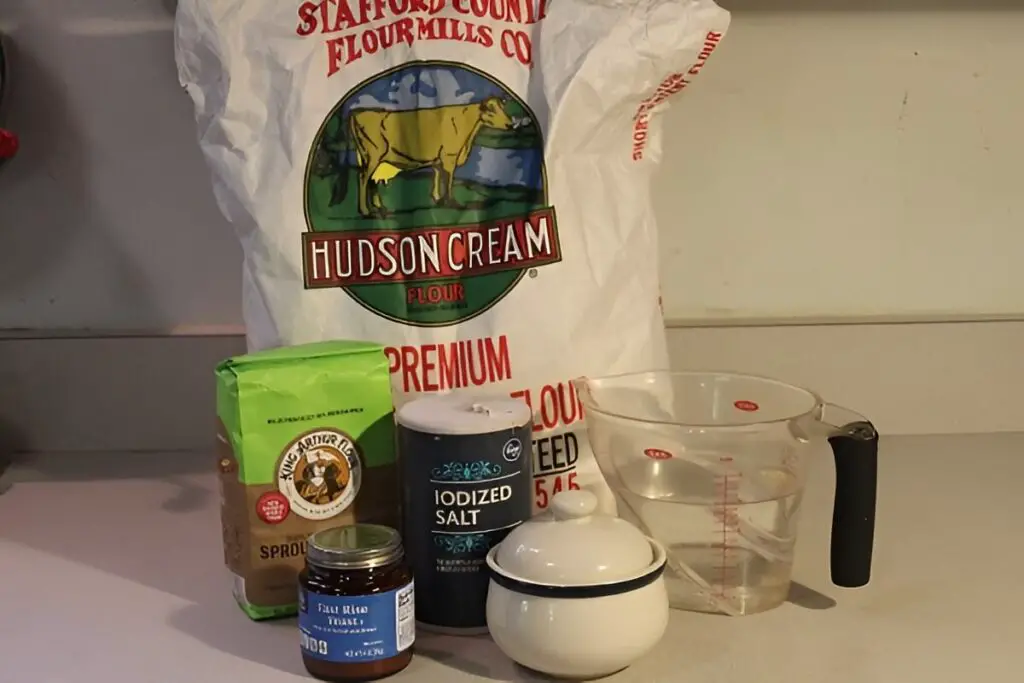
Note: Different ratios or types of flour may be substituted, i.e. sprouted wheat versus whole wheat or less all-purpose flour and more wheat flour. Keep in mind white flour is lighter and the higher the percentage of white flour the lighter and airier the loaf will be.
To begin, combine the water, yeast, and sugar in a large bowl. The sugar isn’t for flavoring, it feeds the yeast ensuring that your bread will rise well. Then add the salt and begin adding the wheat flour one cup at a time.

After you’ve added the 3 cups of wheat flour, the dough should begin coming together and be harder to stir.
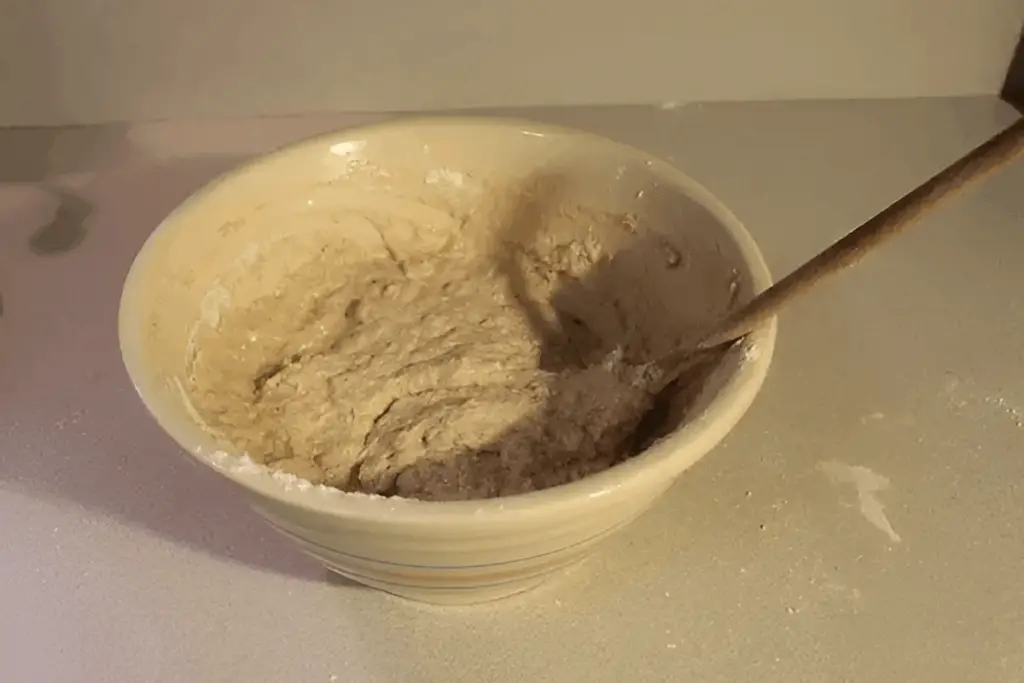
Then you can begin adding the all purpose flour 1/2 cup at a time. The exact amount may vary some. Stop adding flour when your dough has formed a ball. Unlike normal bread dough, it can still be a bit sticky. Stirring in the last bit of flour may be tough so you might choose to use your hands instead.
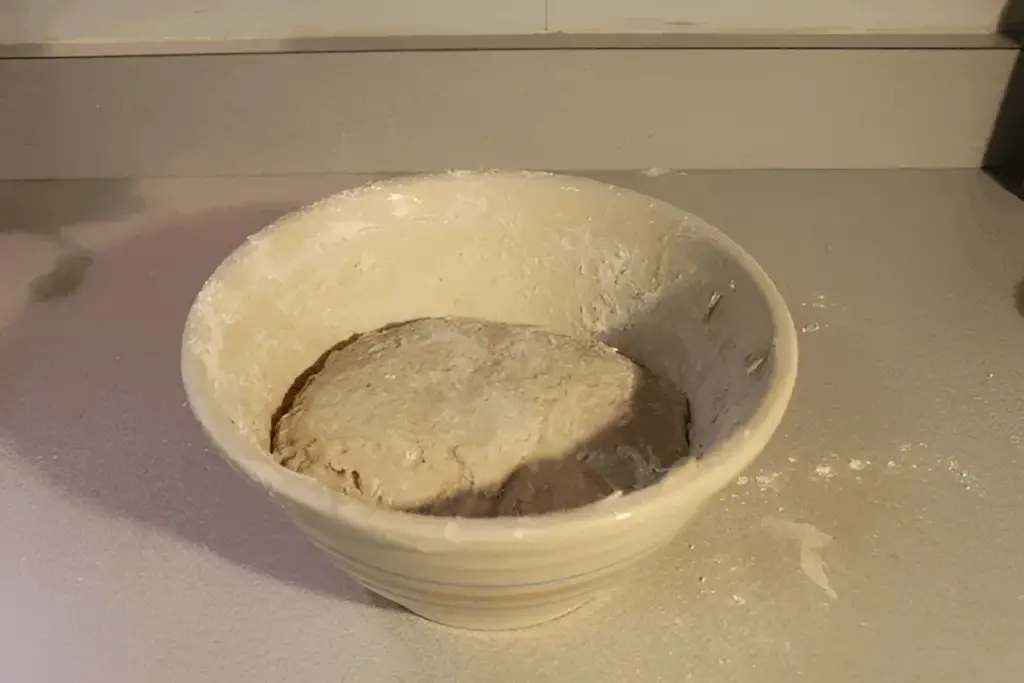
Leave the dough in the bowl and let it rise, covered with a damp cloth or towel until about doubled in size. This can take anywhere from 1-4 hours depending on your kitchen’s temperature.
If your bread isn’t rising well because your kitchen is too cool, you can use your oven to help. Preheat your oven to the lowest possible temperature and place the covered bowl of dough inside and leave the oven door slightly open.
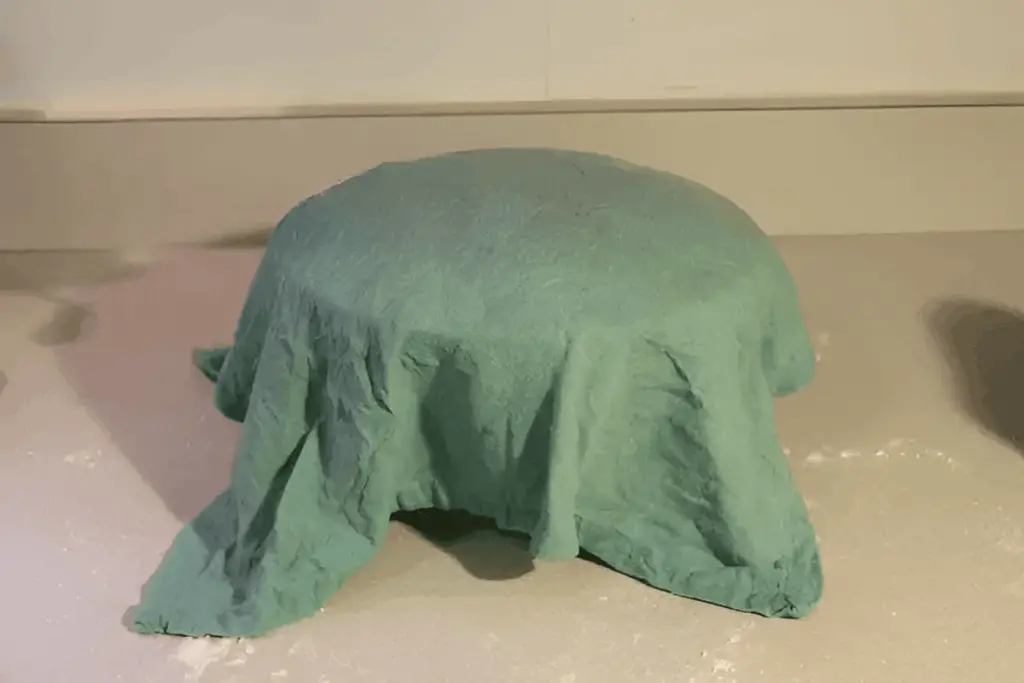
After the dough has risen, preheat your oven and a well oiled, covered dutch oven to 450°F. Let the dutch oven heat up at temperature for about 20 minutes.
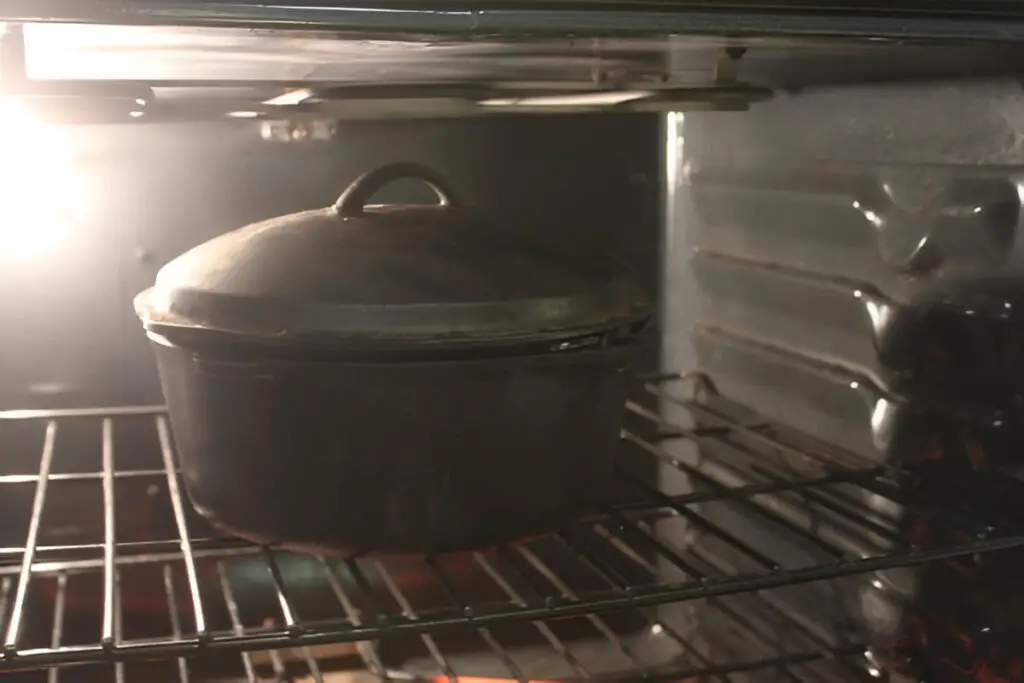
Place the dough into the hot dutch oven and bake covered for 30 minutes. The finished loaf should be golden brown on top. If you’d like a crunchier crust, you can leave it in the oven for a few additional minutes with the lid off.
Then enjoy!
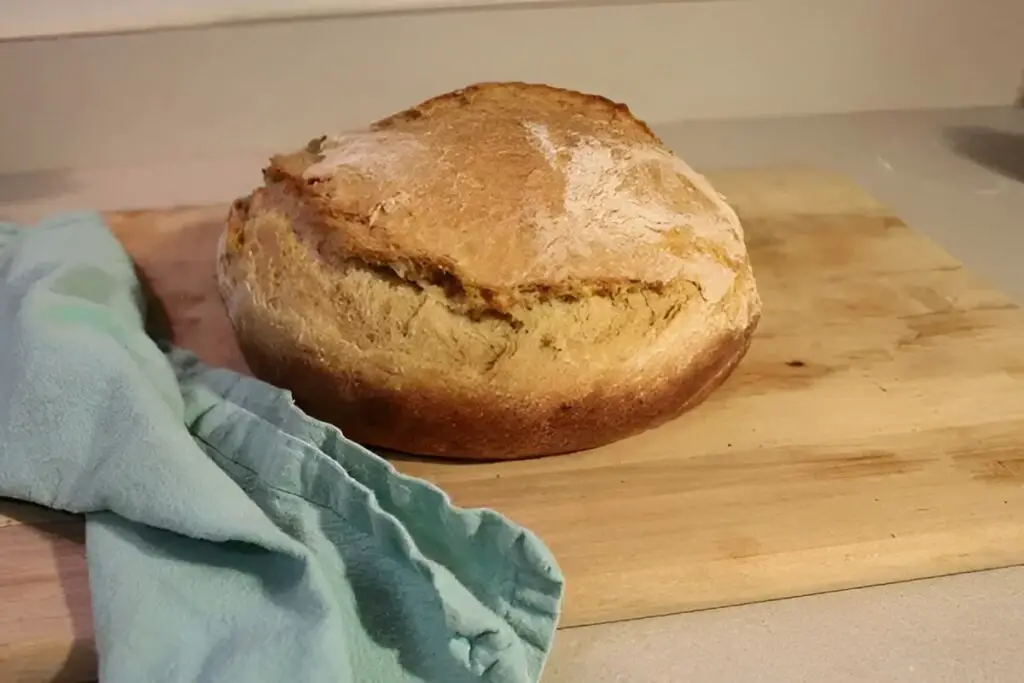
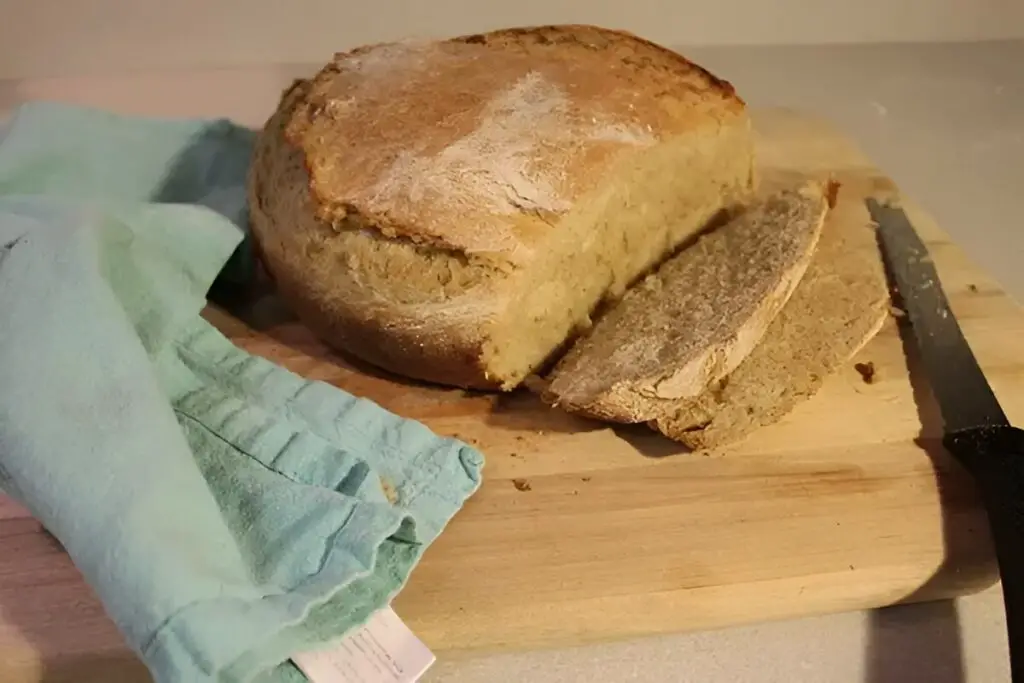
This delicious bread is simple to make and looks great, a perfect way to show off your awesome cooking skills to family and friends. Be sure to try it out with seasonal, homestead ingredients like garden fresh herbs!
Like this post? Don't Forget to Pin It On Pinterest!
You May Also Like:

Related Posts: