

Estimated reading time: 7 minutes
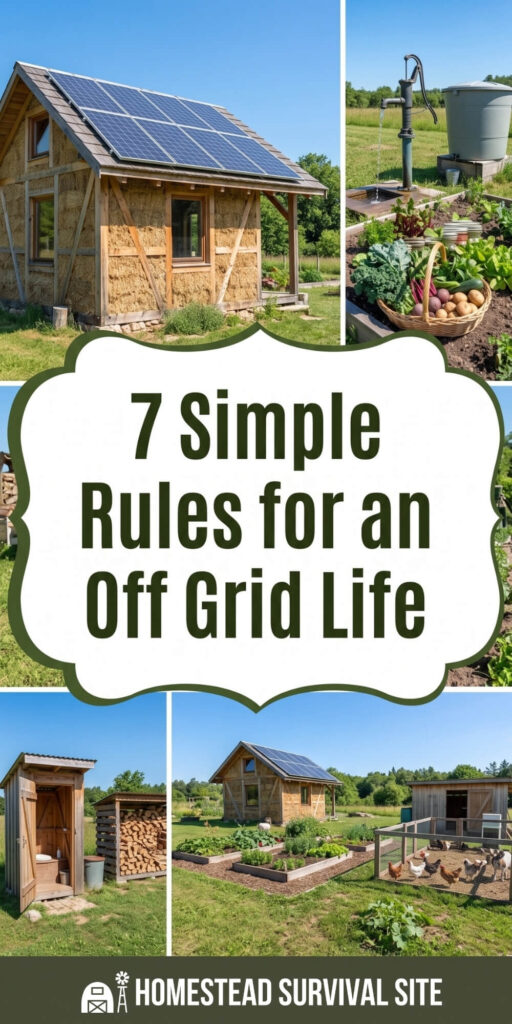
There's a certain kind of freedom that comes with stripping life down to what actually matters. For a lot of people, chasing a simpler life means less clutter, less debt, and more time to enjoy the day in front of them.
But making that leap, especially all the way to an off-grid homestead, takes more than just packing up and moving. It takes a real shift in how you think about the stuff you own, the money you spend, and the habits you carry around every day.
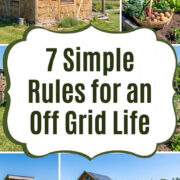
The good news is that shift doesn't have to happen all at once. It tends to come from a handful of small, repeatable rules that quietly change everything over time, and that's the topic of this video by SimpleLifeScotland. They share seven simple tips for building a calmer, more intentional off-grid life in the video below.
Want to save this post for later? Click Here to Pin It On Pinterest!
1. Learn to Let Go (The “Container” Rule)
When you move, you're forced to decide what's coming with you and what isn't. One great trick is to box up the things you're unsure about and put them in storage, whether that's a loft, a shed, or an actual shipping container. Then pay attention to how often you go back for them.
Here's the thing: if you haven't reached for something in nine months, you probably don't need it at all. Most of us hold onto stuff not because it's useful, but because we're a little scared to let it go. We tell ourselves we might need it someday. Once you realize that, it gets a lot easier to donate it, sell it, or pass it along to someone who'll actually use it. And keeping things in storage you'll never touch again costs you money the whole time they sit there. Paring back just makes life simpler.
2. No One-Night Stands
When you decide you need something, whether it's a drill, a kettle, or whatever, don't buy it right away. Let it sit for a while. If a week or two goes by and it's not nagging at you, and life hasn't ground to a halt without it, then you probably never needed it in the first place. It was just the urge to acquire something.
The bonus here is a big one. Because you're not throwing money at every little impulse, you've got room in the budget for the times you do genuinely need something. That means you can spend a bit more on a quality item that does the job better and lasts longer, without stressing about it, because you know you'll use it all the time. Slowing down your buying gives you the freedom to make great decisions when it really counts.
3. Be Selfish
This one sounds harsh, but stick with it. A lot of us build our lives around accommodating other people. There's nothing wrong with that, until it starts working against you. If a choice puts you at a real disadvantage, it's okay to put yourself first.
A good example is house size. Plenty of people taking on a property would automatically build a two or three-bedroom place so they'd have room for guests. But a spare room that gets used a few days or weeks a year spends the other eleven months quietly turning into a dumping ground for stuff you don't need. So instead of building extra rooms, you can keep your space small and simply put visitors up in a nearby Airbnb or hotel when they come. They get their own space, you still get to spend time together, and you're not maintaining a whole room that mostly collects clutter. Being a little selfish can actually be good for everybody.
4. Place and Space
If you've ever torn the house apart looking for your keys or your wallet, this rule is for you. The idea is simple: every single item in your home has its own designated place to live. And if something doesn't have a home, then it doesn't belong in your life.
This isn't about cramming everything into a cupboard and slamming the door, that's just hiding the mess. It's about giving your things a real, accessible home so you can grab what you need and always know where it is. The nice side effect is that it forces you to keep questioning why you own the things you own in the first place. Easy to follow, and it saves you a ton of wasted time and frustration.
5. Don't Let It Sit
This is a tough one to build into a habit, but it pays off. Think about the old way of doing dishes: you use a cup, set it by the sink or pop it in the dishwasher, and there it sits until everything's full. Off-grid, where power is a rarity you have to ration carefully, that approach doesn't work, and honestly it doesn't serve much purpose anywhere.
So instead, don't let it sit. Finish with the cup, wash it right then, and put it back in its home. It's easy precisely because everything already has a place. The whole point is to stay on top of things instead of constantly playing catch-up, which is where the stress creeps in. The longer you leave a job unfinished, the harder it gets and the less you want to do it, and then tasks start stacking up and dragging your mood down with them. By handling things in small chunks from start to finish, you actually create more time, more energy, and less stress. By having less, you end up creating more.
6. On Display
This tip zeroes in on clothing, and it's a direct response to the world of fast fashion, where new items are cheap, endless, and easy to accumulate without thinking. Over time, most of us pile up way more shirts, trousers, and coats than we could ever use.
The fix is almost embarrassingly simple: take the doors off your wardrobe, or move everything onto an open rail, so you can actually see all of it. The moment your clothes are on display, it becomes obvious which pieces you wear all the time and which ones have been sitting untouched for six months. You quickly spot where you've wasted money and where you keep losing time digging for things. It also nudges you toward quality over quantity, buying fewer pieces that last longer or do more than one job. And if you've got seasonal clothing, just box up the off-season items and swap them in and out as the year goes. You might even discover you use some of them year-round. Mostly, though, it saves you a serious amount of money.
7. Waste Not, Want Not
Food waste is the last piece, and it's a big one. We've all done the big shop, filled the fridge with fresh food, and then thrown a chunk of it out a week later because it went off before we got to it. Fresh food waste is a genuinely common problem, and it's money straight in the bin.
The approach that fixes it is “little and often.” Keep your fresh food space small and intentional, so the good stuff you actually want to enjoy gets eaten instead of forgotten. Then keep a larger freezer for everything that freezes well, which doubles as a backup if the power goes down or you get snowed in and the nearest shop is suddenly a long, slow drive away. Splitting your food into two buckets, fresh little-and-often and frozen for when you need it, works remarkably well and saves a fortune. Round it out with meal planning, learning how long things really last, and cooking from scratch when you can. Once you start truly paying attention to your food, the waste mostly disappears.
Final Thoughts
None of these rules require moving to a remote farm to work. Whether you're chasing a fully off-grid life or just want a calmer, less cluttered version of the one you've got, the same ideas apply: own less, buy slower, give everything a home, and stay on top of the small stuff before it piles up.
Like this post? Don't Forget to Pin It On Pinterest!
You May Also Like: